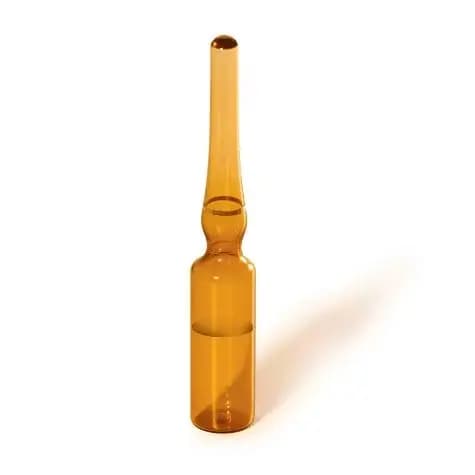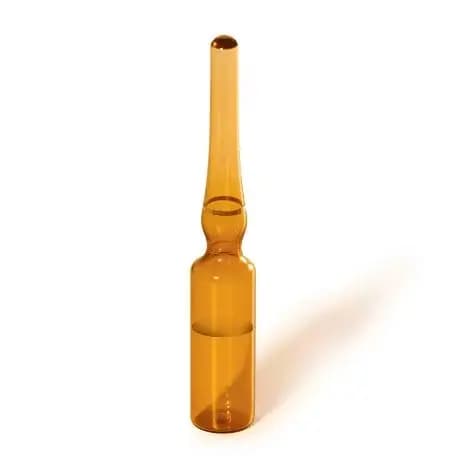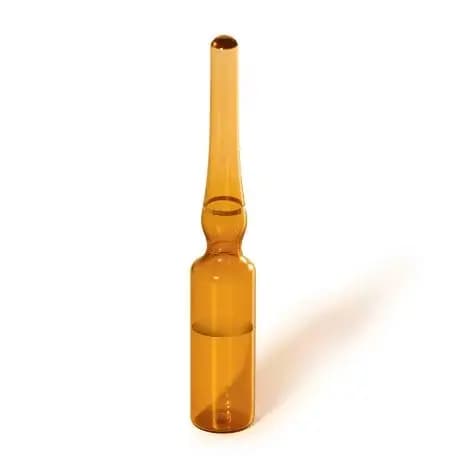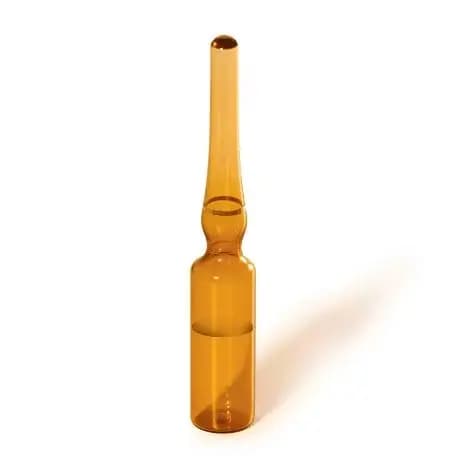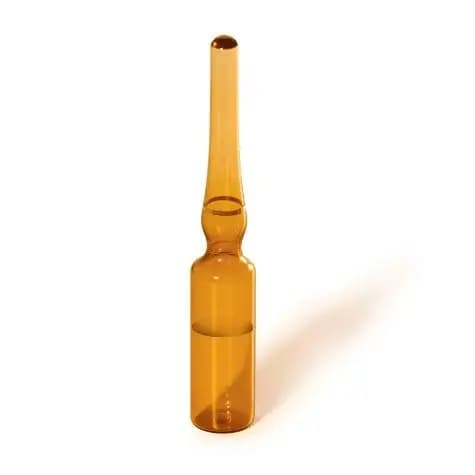
Aldehyde-ketone-DNPH TO-11A calibration mix, 15 µg/mL, acetonitrile, 1 mL/ampoule
15-component DNPH-derivatized aldehyde and ketone standard for EPA Methods TO-11A and 8315, 15 µg/mL in acetonitrile.
- Part number
- 31808
Prices and availability are quoted by email or phone.
Carbonyl compounds, including low-molecular-weight aldehydes and ketones, are receiving increasing attention from regulators. Formaldehyde in automobile exhaust accounts for 50% to 70% of the total carbonyl load in the atmosphere. In addition, motor vehicles emit reactive hydrocarbons that undergo photochemical oxidation in the atmosphere, producing formaldehyde and other carbonyls. Short-term exposure to formaldehyde and other specific aldehydes (acetaldehyde, acrolein, crotonaldehyde) causes irritation of the eyes, skin, and mucous membranes of the upper respiratory tract. Formaldehyde is one of the leading contributors to photochemical ozone formation. Formaldehyde is the target compound of EPA Method TO-11A and Method 8315 from the U.S. EPA Compendium, but at least 14 other carbonyl compounds can also be detected and quantified. Method TO-11A modifies the sampling procedures described in the earlier Method TO-5; the new method is based on the specific reaction between carbonyl compounds and a 2,4-dinitrophenylhydrazine (DNPH) coating on a silica gel adsorbent (packed in cartridges), in the presence of a strong acid catalyst. The reaction produces stable, colored hydrazone derivatives.
To meet the needs of analysts monitoring these compounds, Restek offers a new 15-component aldehyde standard for EPA Method TO-11A and Method 8315 of the U.S. EPA Compendium. The concentration of each component in the mixture, 15 µg/mL, is similar to the concentration of interest in most ambient-air work.
A 150 × 4.6 mm Ultra C18 HPLC column (cat. # 9174565) is optimal for fast, reliable analysis of formaldehyde derivatives and the other aldehydes and ketones in the reference mixture, resolving all 15 compounds in 16 minutes.
Compounds included
- Acetaldehyde-DNPH (1019-57-4)
- Acetone-DNPH (1567-89-1)
- Acrolein-DNPH (888-54-0)
- Benzaldehyde-DNPH (1157-84-2)
- n-Butyraldehyde-DNPH (1527-98-6)
- Crotonaldehyde-DNPH (1527-96-4)
- 2,5-Dimethylbenzaldehyde-DNPH (152477-96-8)
- Formaldehyde-DNPH (1081-15-8)
- Hexaldehyde-DNPH (1527-97-5)
- Isovaleraldehyde-DNPH (2256-01-1)
- Propionaldehyde-DNPH (725-00-8)
- m-Tolualdehyde-DNPH (2880-05-9)
- o-Tolualdehyde-DNPH (1773-44-0)
- p-Tolualdehyde-DNPH (2571-00-8)
- Valeraldehyde-DNPH (2057-84-3)
Additional information
Formaldehyde and Other Aldehydes, Committee on Aldehydes, Board on Toxicology and Environmental Health Hazards, National Research Council, National Academy Press, Washington, DC, 1981.
The concentrations shown reflect the amount of aldehyde or ketone present in the mixture; the concentration of the aldehyde or ketone derivative is not indicated.